Why Some Players Prefer Losing: The Psychology of Self-Sabotage in Gambling

There’s a certain poetry in watching someone walk into a casino like a hero entering battle—chin up, wallet out, luck tattooed on the tongue—and still, somehow, aim their cannon at their own foot. You see it every night under the neon glow: players who chase not the win, but the fall.
Yes, it sounds absurd. Why would anyone prefer to lose? Isn’t gambling supposed to be about the thrill of victory, the seductive whisper of jackpot dreams? But peel back the layers of glitter and coin, and you’ll find a darker, more human script unfolding. This is the theatre of self-sabotage.
The Comfort of Losing
For some, losing isn’t failure—it’s familiarity. Victory feels foreign, like a tailored suit that doesn’t quite fit. Winning introduces pressure: expectations, responsibility, attention. But losing? Losing is predictable. Safe.
There’s psychology to back this up, too. Psychologist Abraham Maslow once said that “we fear our best as much as our worst.” Some gamblers, particularly those who struggle with self-worth, subconsciously believe they don’t deserve to win. So, they unconsciously steer their ship toward the rocks, hand over the wheel to Lady Misfortune, and whisper: “sink me.”
This might explain why some players make baffling choices—splitting tens, betting the whole pot on a clear losing hand, chasing odds that even a toddler wouldn’t take. It’s not stupidity. It’s emotional choreography.
Gambling as Punishment
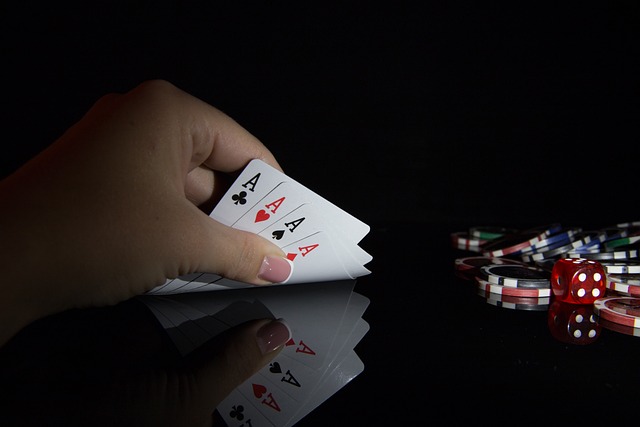
Here’s a brutal truth: for many, gambling isn’t about pleasure. It’s about penance. People carrying guilt—about relationships, failures, finances—often use gambling as a tool of self-flagellation. Every lost hand becomes a lash. Every empty bankroll, a confirmation: I am not enough.
HellSpin casino, like many modern platforms, offers tools for responsible gaming. But even with limits and reality checks, the problem isn’t always in the software. It’s in the psyche.
Some gamblers log in not to escape, but to be caught. To reenact a drama where they always lose, and in doing so, feel a twisted sense of control over the chaos of life.
The Thrill of Almost
Strangely, many gamblers don’t actually want to win big. What they crave is the almost. The near-miss. The one reel away. It’s like standing at the edge of a cliff, breathless not because of the view—but because of how close they are to falling.
HellSpin casino’s slots, for example, often incorporate near-miss visuals—a psychological trick proven to spike dopamine. It’s like giving the brain a participation trophy for failing. And the brain eats it up.
Breaking the Loop
Self-sabotage is a story we tell ourselves, again and again, until it becomes the only ending we know. But stories can be rewritten.
The key? Awareness. Once a player sees the pattern—recognizes the strange satisfaction in the loss—they can begin to unpick the stitches. Therapy helps. So does stepping away from the screen. Gambling should be an option, not an identity.
So next time you watch someone double down on disaster, ask yourself: are they playing the game, or is the game playing them?
Sometimes, the biggest jackpot is figuring that out.